


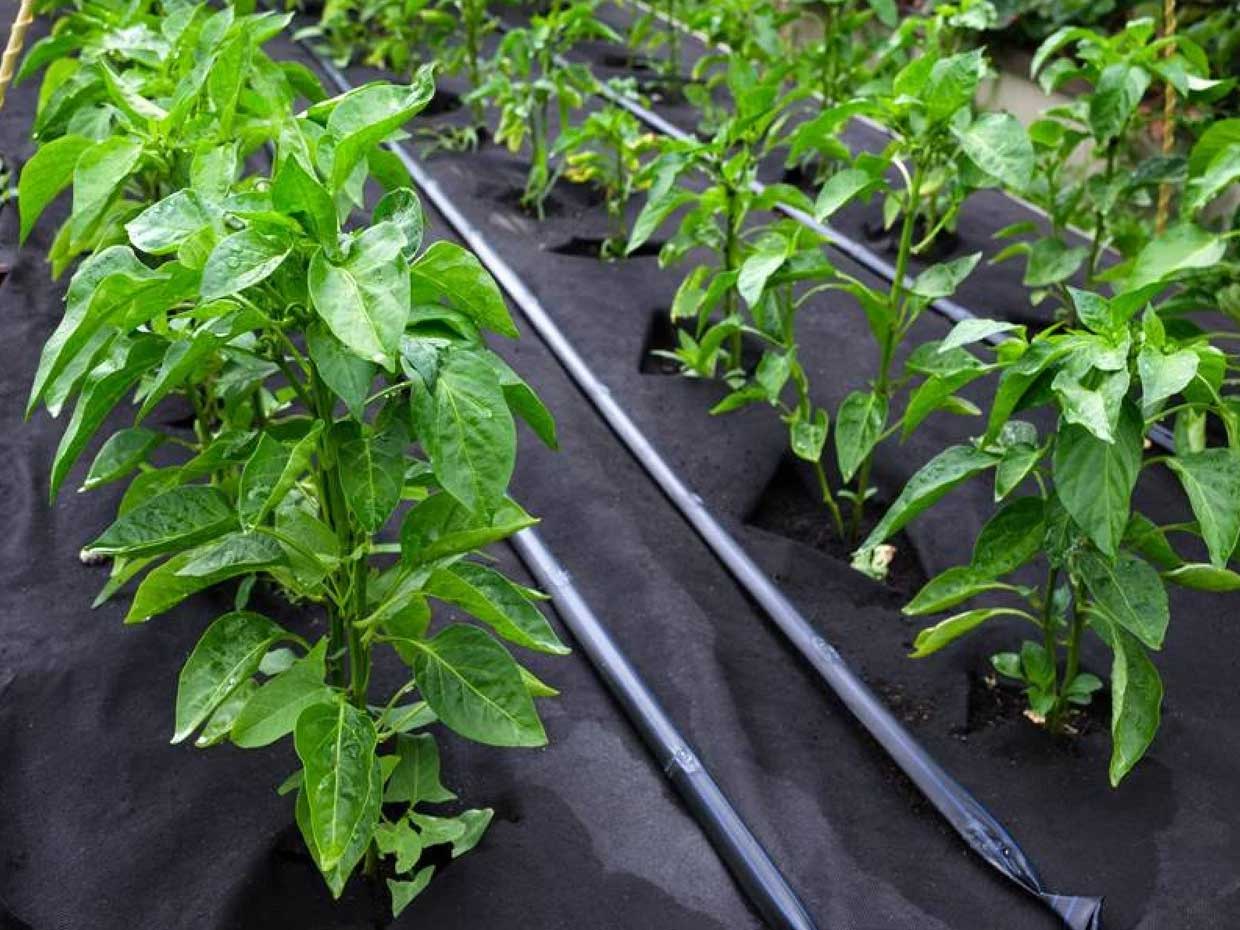
Vegetable Compost
Vegetable mulch is a practical and effective agricultural covering product used in vegetable production to maintain soil balance, reduce weed growth, and increase crop yield. Widely preferred in modern agricultural practices, this product contributes to the healthier growth of plants.
Vegetable mulches offered with Mirza Agriculture’s quality prevent the soil from being directly exposed to sunlight, reducing excessive evaporation. This allows for more efficient use of irrigation water and keeps plant roots at the ideal moisture level.
It also covers the soil surface, preventing weed growth and reducing maintenance and labor costs.
Don't let the weather ruin your hard work!
Product Information
Description
Vegetable mulch, available in various thicknesses and belonging to the greenhouse and above-ground plastics category, is durable and can be safely used in greenhouse and open-field production. Its easy-to-spread form speeds up the application process and saves time for the grower. This product is an ideal solution for those aiming for more organized, efficient, and controlled vegetable production.
What is Vegetable Mulch Used For?
Proper soil conservation is crucial for product quality and yield in vegetable production. Vegetable mulch is a complementary agricultural product that offers practical and effective solutions to producers in this regard. By covering the soil surface, it supports plant development and makes the production process more controlled.
One of the most basic functions of vegetable mulch is to help retain moisture in the soil. When the soil surface is left exposed, rapid water loss occurs due to the effects of sun and wind. Using mulch significantly reduces this evaporation, allowing for longer irrigation intervals. Another important benefit is weed control. Vegetable mulch prevents the soil from absorbing light, thus limiting weed growth. This reduces the need for tilling and chemical herbicides. It creates a cleaner and more organized production area, preventing plants from having to share nutrients and water with weeds.
Vegetable mulch varieties, designed with different features to meet production needs, offer a significant advantage depending on the area of use. Thanks to options that reflect light, regulate heat, or heat the soil faster, solutions suitable for the season and the crop being grown can be produced.
Sun-Resistant, Tear-Resistant Vegetable Mulch!
The durability of covering products used in vegetable production directly affects productivity throughout the season. Sun-resistant and tear-resistant vegetable mulch maintains its performance even in harsh climatic conditions, offering producers a long-lasting usage advantage. Especially in open areas exposed to intense sunlight, these properties ensure the uninterrupted progress of the production process.
Cost is also an important criterion for producers. Vegetable mulch prices vary depending on the thickness, UV resistance, dimensions, and lifespan of the product. Although it may be at a different price level than standard products in the initial stages, it provides a cost advantage in the long run thanks to its durability and increased yield. Sun-resistant, tear-resistant vegetable mulch is a reliable agricultural solution for those aiming for sustainable, economical, and high-quality production.
How to Choose Between Different Types of Vegetable Mulch?
Choosing a mulch for vegetable production is more than just a decision to cover the soil. It’s a strategic choice that directly affects yield, product quality, and production costs. Many vegetable mulches with different characteristics are available on the market. To select the right product, careful consideration of production conditions is necessary.
Choosing a mulch for vegetable production is more than just a decision to cover the soil. It’s a strategic choice that directly affects yield, product quality, and production costs. Many vegetable mulches with different characteristics are available on the market. To select the right product, careful consideration of production conditions is necessary.
