


7 Golden Rules to Boost Productivity with Greenhouse Film
Greenhouse film is one of the most critical factors determining productivity in modern greenhouse farming. Technical details in selection and installation directly affect plants’ light exposure, temperature balance, and disease risk. By using the right film, you can not only increase yield but also safeguard your investment for years to come.
Contents
Toggle
1. Choosing the Right Greenhouse Film: The Start of Higher Yields
The growth potential of your plants is directly shaped by the greenhouse film you use. Clear and opal films offer different advantages in terms of light transmission and diffusion. UV-stabilized films protect plants from harmful rays while extending the lifespan of your crops. Choosing the right film optimizes both yield and return on investment.
Details and Recommendations
Thickness: 120–200 microns, depending on climate and usage duration
Color: Clear → maximum light, Opal → uniform light distribution
Durability: Warranty options from 12 to 60 months
User Insight: UV-stabilized films can increase yield by 10–15%
2. Thickness and UV Stabilization: Maximize Durability
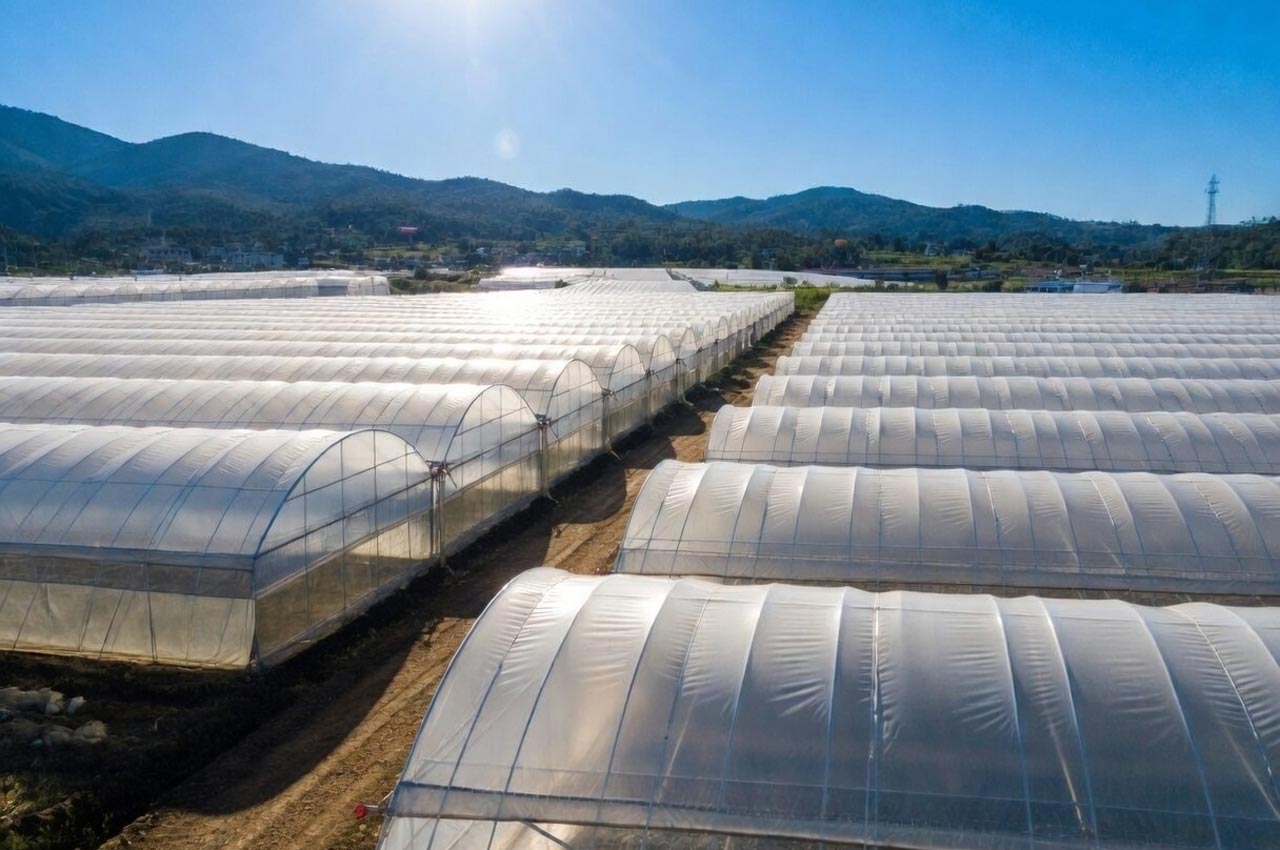
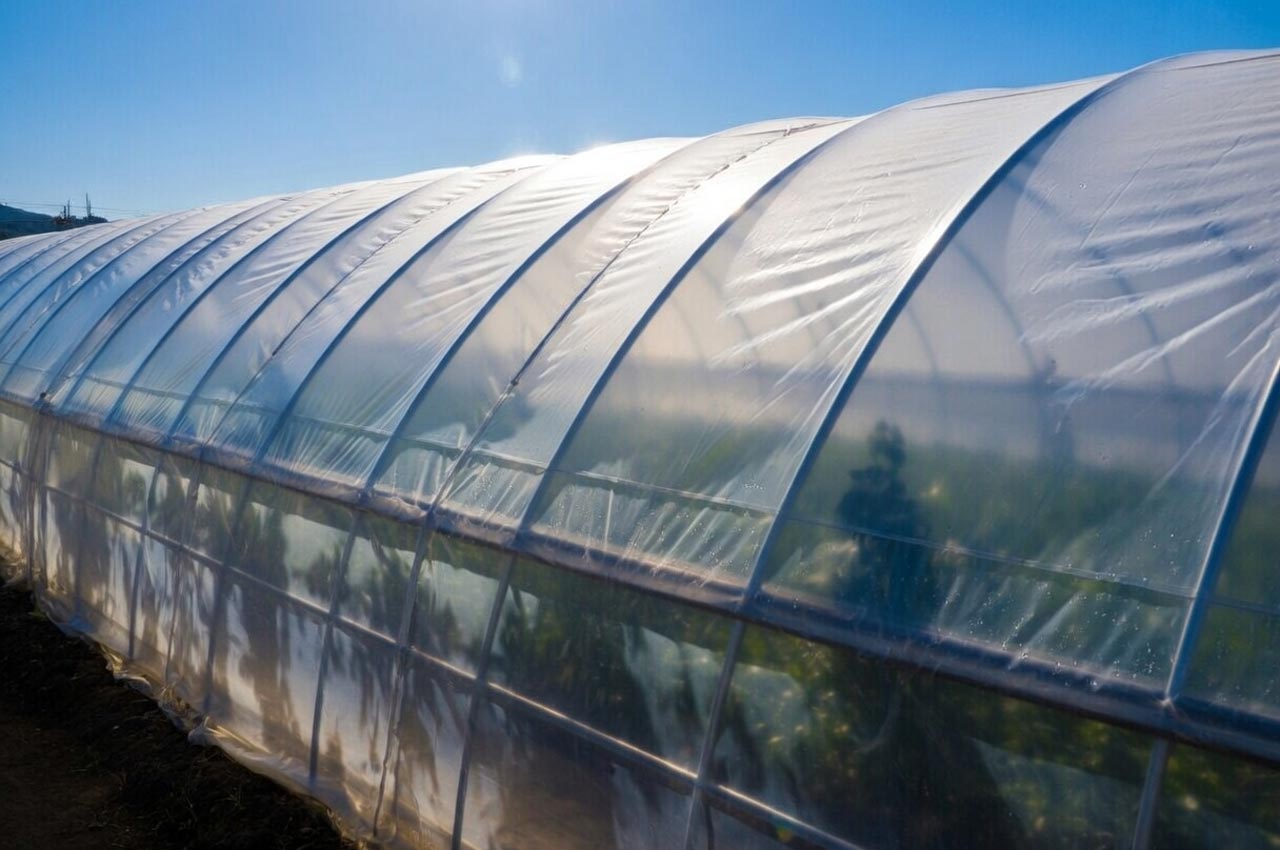
Thicker films combined with UV stabilization enhance the durability of the greenhouse structure. This protects your crops against adverse weather conditions such as wind and hail, ensuring long-lasting use. UV stabilization preserves photosynthesis efficiency and supports healthy plant growth. When thickness and UV balance are properly selected, the return on your investment is maximized.
Advantages:
UV Stabilization → preserves photosynthesis efficiency
Thick Film → resistant to wind and hail
Durability → 12–60 month options maximize return on investment
3. Light Transmission and Diffusion: Maximize Photosynthesis
Light transmission directly affects the rate of photosynthesis and overall yield. Diffused films reduce shading and ensure even light distribution across all plants. While clear films provide maximum light intake, opal/diffused films are ideal for uniform growth among crops. IR-enhanced films help balance day-night temperature variations and optimize plant metabolism.
Table – Light Transmission Comparison
| Film Type | Light Transmission | Yield Effect |
| Clear | 90–95% | +10% photosynthesis |
| Opal / Diffused | 70–85% | Even light, +8% yield |
| IR-enhanced | 75–90% | Temperature balance, +7% yield |
4. Thermal Control: Prevent Temperature Fluctuations
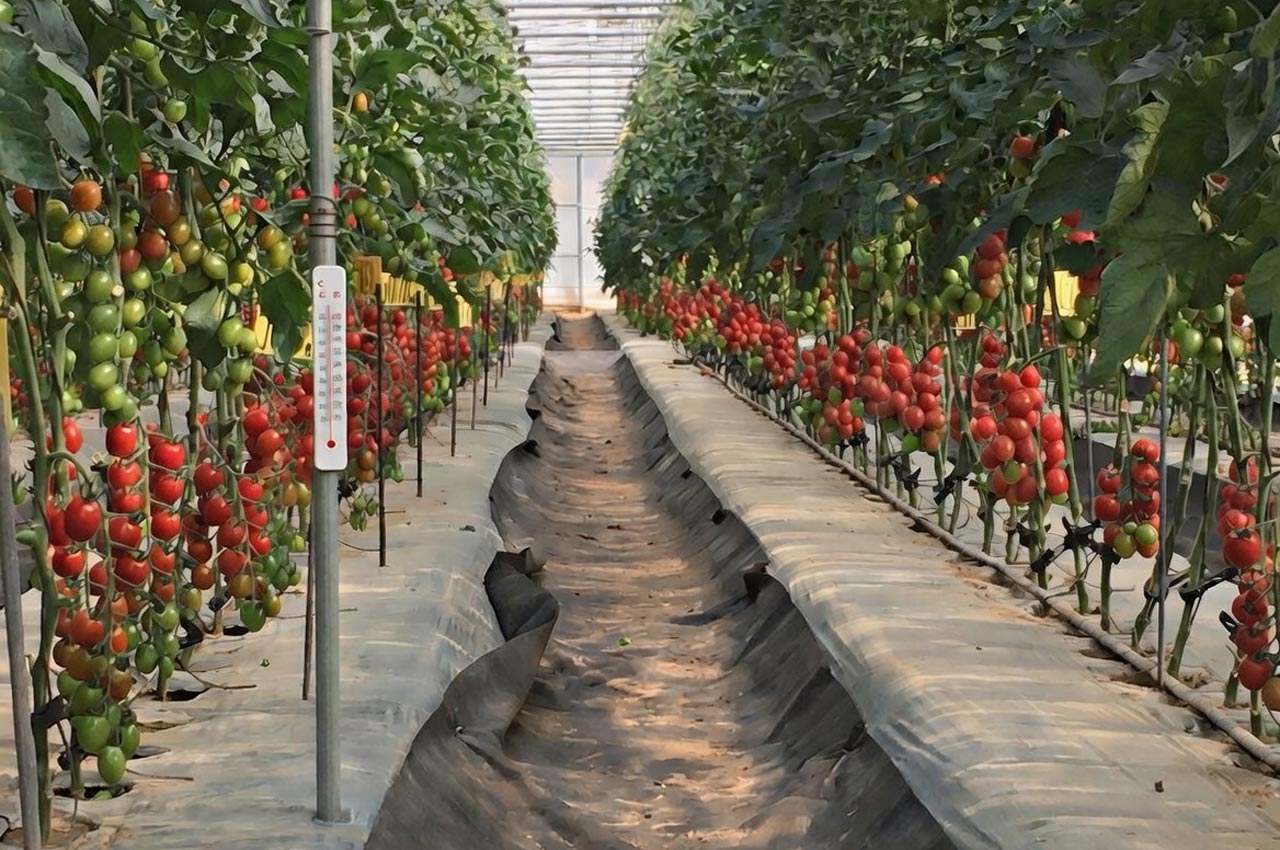
Temperature fluctuations inside the greenhouse can slow down plant metabolism and reduce yield. Thermal films maintain day-night temperature differences within ±3°C, allowing plants to grow in an optimal environment, increasing photosynthesis efficiency and ensuring consistent production.
Step-by-Step Implementation:
Combination with Night Curtain Systems
Selection of IR-Enhanced Films
Monitoring and Adjustment with Temperature Sensors
5. Anti-Condensation Film: Reduce Disease Risk
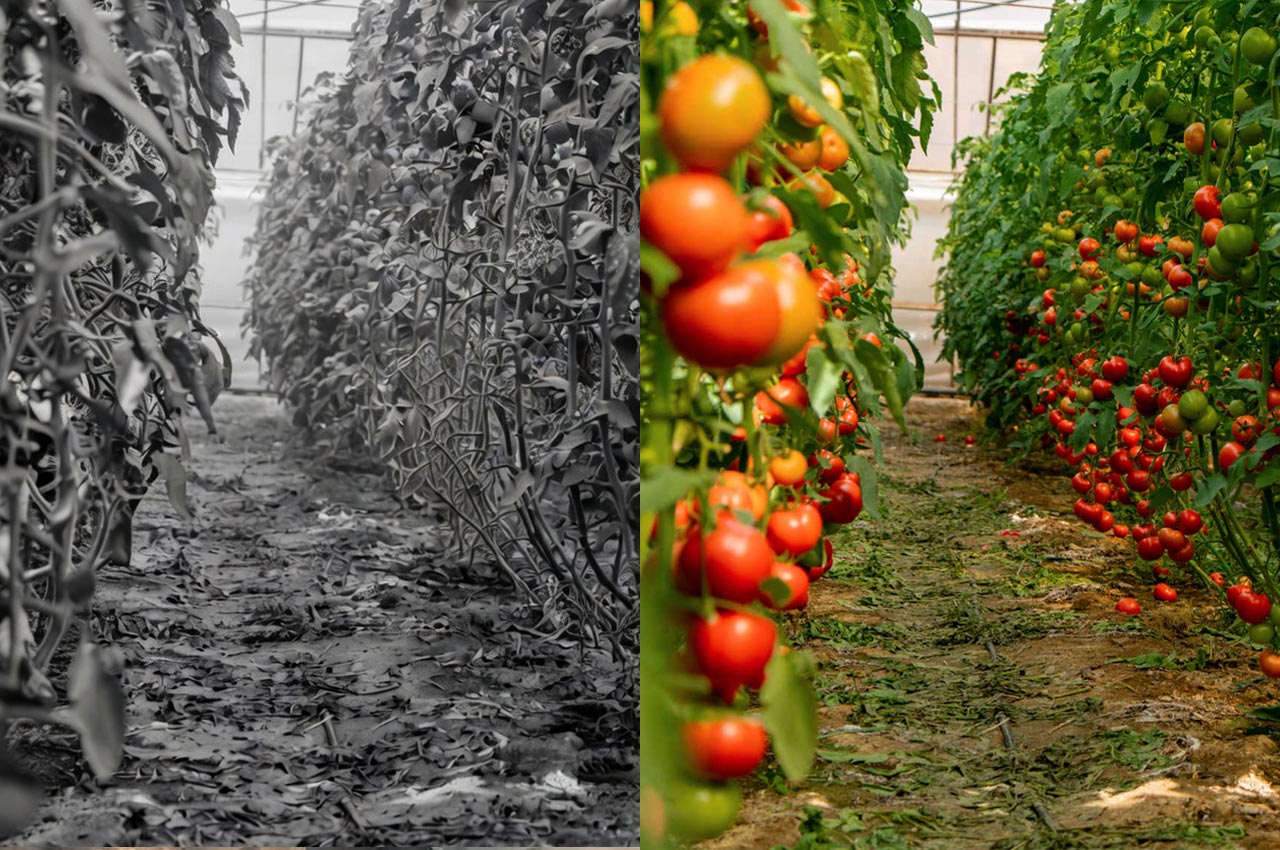
Condensation is a major cause of fungal and bacterial diseases. Anti-drip films prevent droplet formation, reducing disease risk by up to 30%. Their easy-to-clean surface also lowers labor and maintenance costs. This feature is especially critical in regions with high humidity levels.
Advantages Table:
| Feature | Effect |
| Anti-drip | Reduces condensation by 70% |
| Anti-fog | Reduces leaf diseases by 30% |
| Easy to Clean | Saves labor and maintenance costs |
6. Regular Maintenance and Cleaning: Extend Lifespan
When greenhouse film is regularly cleaned and maintained, both its lifespan and productivity increase. Dust, dirt, and UV degradation should be monitored consistently. Tensioning and securing procedures help preserve the structural integrity of the film and optimize photosynthesis efficiency.
Steps:
Weekly dust and dirt cleaning
UV and tear inspection at the beginning of the season
Tensioning and Securing Procedure
7. Installation and Tensioning Technique: Ensure Uniform Light and Temperature
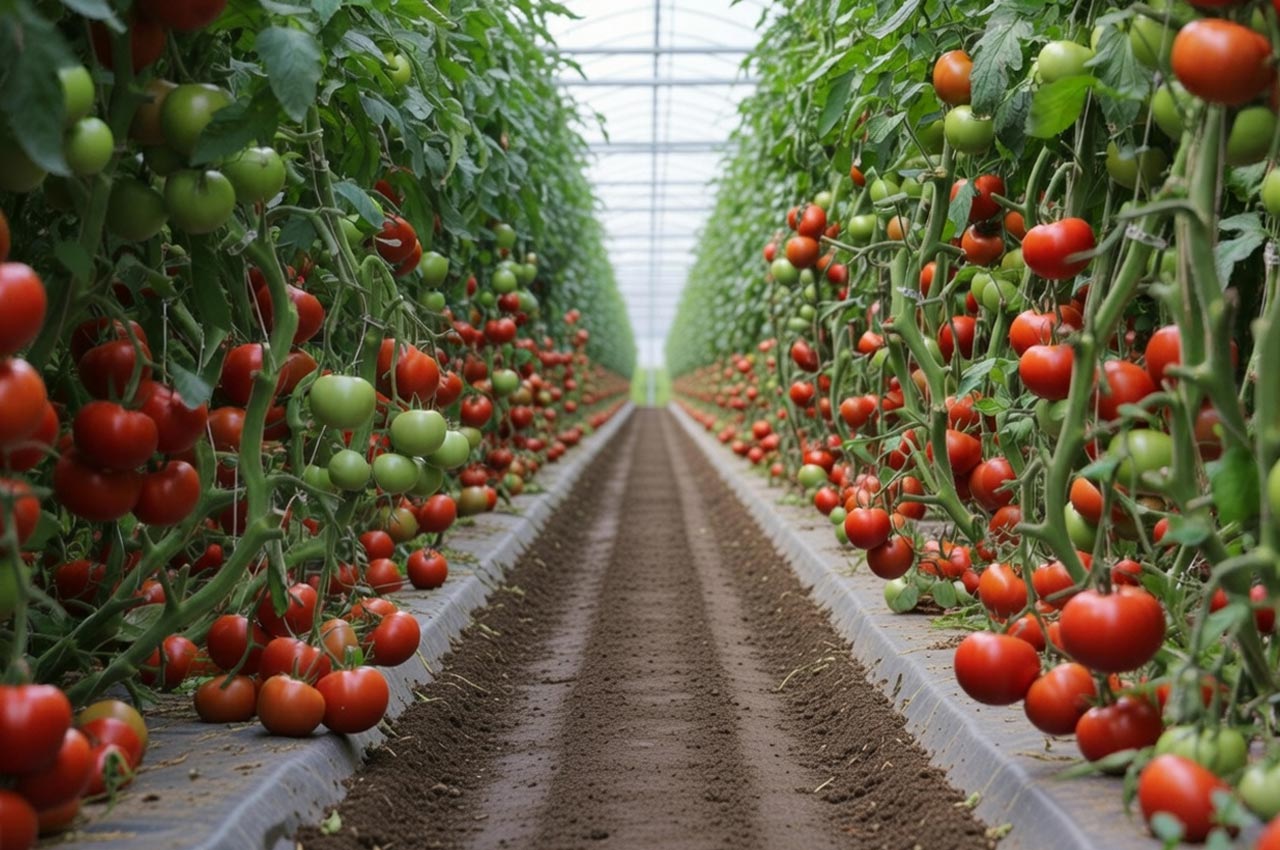
Incorrect installation can cause light shading and temperature differences. Professional installation can increase yield by 10–15% and ensures uniform growth among plants. Using UV-resistant clips on edges and corners, along with optimizing ventilation openings, guarantees plant health and continuous production.
Tips:
- Stretch the nylon evenly
- Use UV-resistant clips at the edges and corners
- Optimise the ventilation openings
Frequently Asked Questions
How Often Should Greenhouse Film Be Replaced?
Greenhouse films with a lifespan of 12–60 months vary depending on usage intensity; UV-stabilized films tend to last longer.
Which Greenhouse Film Boosts Yield?
UV-stabilized films with appropriate thickness and diffusion properties optimize crop yield.
Which Greenhouse Film Should Be Used in Hot Regions?
IR-enhanced and opal/diffused films help balance day-night temperature variations.
Boost Your Greenhouse Yield Immediately
Secure your production and maximize your yield with professionally selected greenhouse films. Our expert team provides the most suitable film solutions, protecting your investment while enhancing your production quality.
Explore our Greenhouse Film Products now and achieve the productivity benefits of the right film.
