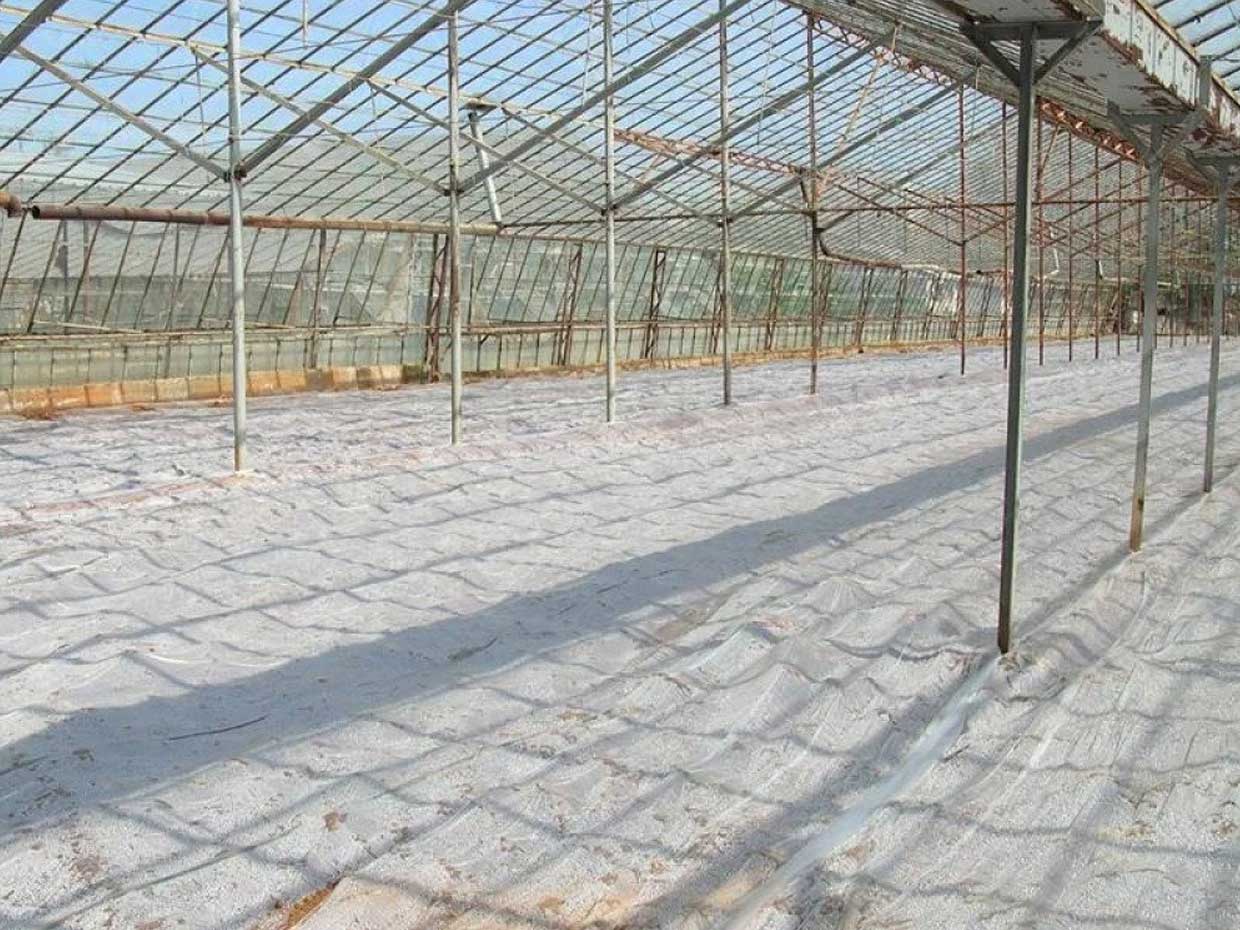
Solarization thin above-ground nylon is beneficial in agricultural production, especially in greenhouse cultivation, for relieving fatigue caused by years of production in the same soil.
Nematodes, root rot-causing fungi (Fusarium, Verticillium), and weed seeds are reducing yields year after year.
Chemical pesticides (fumigants) are both costly and harmful to the soil structure in combating these pests. This is where solarization, the most effective and economical method that utilizes nature’s own power, comes into play.
Don't let the weather ruin your hard work!
Meet Mirza Agriculture and experience ease in farming!
The thin, above-ground plastic sheets we offer at Mirza Agriculture are specially formulated for the success of solarization. This nylon is based on the principle of heating the soil with solar energy by covering it with a transparent sheet during the summer months. However, ordinary nylon cannot perform this function. A high-quality solarization sheet should allow maximum sunlight to enter (high light transmittance) and prevent the heat generated inside from escaping.
Why Should Thin Nylon Be Preferred in Greenhouse Solarization Applications?
Many growers fall into the misconception that “thicker means stronger.” However, in greenhouse solarization applications, the thinness of the nylon (typically 15-20 microns) is a critical advantage for accelerating heat transfer. Despite its thin structure, our product is resistant to tearing thanks to its superior elasticity. Adhering to the soil surface like a “second skin,” solarization nylon raises the temperature of moist soil to 50-60°C, naturally “cooking” and eliminating pests and weed seeds.
Cost Advantage and Prices of Solarization Nylon
One of the most attractive aspects for farmers is that this product is more economical than chemical disinfection. Solarization film prices are quite affordable due to its thinness, resulting in a high meterage per kilogram. In other words, one roll of film can cover a much larger area.